Brobuilt Fitouts logo
Get a Quote Call 0478 007 472
Illuminated Gloria Jean's script signage above the kiosk back-of-house bench, certified and signed off before opening

Approvals & Certification

A fitout isn't finished until it's certified.

Planning approval, certifier, engineer, fire, food, landlord, Occupation Certificate. Most contractors build and leave the paperwork to you. We run the whole pathway, and this is how it works.

The Short Version

Five layers stand between a build and an open door.

01

Planning approval

Exempt, complying development or a development application. It decides everything that follows.

02

Construction approval

A Construction Certificate after consent. With a Complying Development Certificate, it is already included.

03

Certifier and inspections

A Principal Certifier appointed before work starts, inspecting at the stages the approval lists.

04

Compliance certificates

Engineer, fire, electrical, plumbing, waterproofing, finishes and food, each from the person licensed to give it.

05

Occupation Certificate

The certifier's confirmation that the work can be occupied and used. Nothing opens without it.

This page is general guidance for NSW work, drawn from NSW Government sources and our own projects. Your certifier and consent authority decide what applies to your site. Nothing here is legal advice.

Layer One & Two

Which approval does your work need?

The pathway is set by the scope, the zone and the building, not by how much you want to spend. Get this wrong and the programme resets. We confirm it at quote stage, before a dollar is committed.

Lightest

Exempt development

Minor work that meets every listed standard needs no planning approval and no certificate under Part 6 of the Act (Codes SEPP). The standards are strict. Food preparation areas, removing fixed structures and new flooring or cabinetry can take work outside them.

Approval
None, if every standard is met
Certifier
Not required
Most Sydney fitouts

Complying Development Certificate

A fast-track approval that combines planning and construction approval, issued by a council or accredited certifier. Internal alterations and fit-outs in business buildings are listed as eligible (NSW Planning). Food and drink premises must follow AS 4674-2004.

Approval
CDC. No separate Construction Certificate (NSW Government)
Certifier
Principal Certifier appointed
New builds and major work

Development consent + Construction Certificate

Council grants development consent. A Construction Certificate then confirms the plans comply with the Building Code and match the consent. Work started before it is issued invalidates it, and an Occupation Certificate will not follow (NSW Government).

Approval
Consent, then Construction Certificate
Certifier
Principal Certifier appointed

Layer Three

The certifier is appointed by the owner, not the builder.

The Principal Certifier is the person who ultimately decides whether you can occupy. The owner appoints them on the NSW Planning Portal at least two days before work starts, and the builder is nominated to them (NSW Planning Portal).

The approval lists the critical stage inspections. For fit-outs in commercial and retail buildings that is usually two: before approval, and a final inspection that confirms the building is suitable for occupation (City of Sydney). If an inspection is missed, the certifier must report and decide whether work can continue.

Our job is to make the certifier's job easy: the right documents in the right order, every inspection booked before the first trade arrives, and a site that is ready when they walk in.

Before Work Starts

  • Approval issued (CDC, or consent plus Construction Certificate)
  • Principal Certifier appointed on the Planning Portal
  • Commencement notice lodged at least two days before work
  • Waste management plan, hoarding, site toilets and signage board in place where the approval requires them
  • Landlord consent and contractor authorisation, where the premises are leased
  • Engineer briefed on every element that will need installation sign-off

Layer Four

The certificate stack.

Each certificate proves one thing and must come from the right person. Missing or wrong paperwork is a common reason a finished fitout can't open. Which of these apply depends on your scope, the building and the approval conditions.

CertificateIssued byWhat it provesWhen
Structural design certificatePractising structural engineerThe engineered element, such as a pylon, frame or heavy fixing, is designed to be structurally sound.Design stage, before fabrication
Structural installation certificateSame engineering practice, after site inspectionThe work was installed as designed. Inspected before it is concealed, and covering every new fixing, not only the headline item.During build and at completion
Fire safety schedule and fire safety certificateProperly qualified person, using the approved formEach essential fire safety measure is capable of performing to the standard on the schedule. Assessments must fall within the previous three months (EP&A Regulation 2021).Completion. Required before an Occupation Certificate (Fire and Rescue NSW)
Fire extinguishers and blanketsLicensed fire services providerEquipment is the right type, installed, serviced and tagged (AS 2444).Before final inspection
Fire-hazard test reports for finishesProduct manufacturer or testing laboratoryWall, ceiling and floor linings meet NCC fire-hazard limits. Reports, not marketing data sheets.Before ordering, then at final
Electrical Certificate of ComplianceLicensed electricianInstallation tested and compliant with AS/NZS 3000.After fit-off and test
Plumbing and hydraulic certificateLicensed plumberWater, drainage and hot water work complies with AS/NZS 3500.After testing
Waterproofing certificateInstalling contractorMembrane installed to design and standard. Standard for wet areas and food tenancies.Before finishes cover it
Cool room panel certificateInstaller and fire professionalPanels are fire-rated, non-EPS and correctly installed.Before use
Food premises design and construction complianceDesigner and certifier, as the approval requiresLayout, surfaces and equipment meet AS 4674-2004 and food legislation. The design certificate must name the correct site and current legislation.Design before build, construction at completion

After the Occupation Certificate, the owner keeps fire safety current with an annual fire safety statement, due within 12 months of the previous statement or certificate (Fire and Rescue NSW).

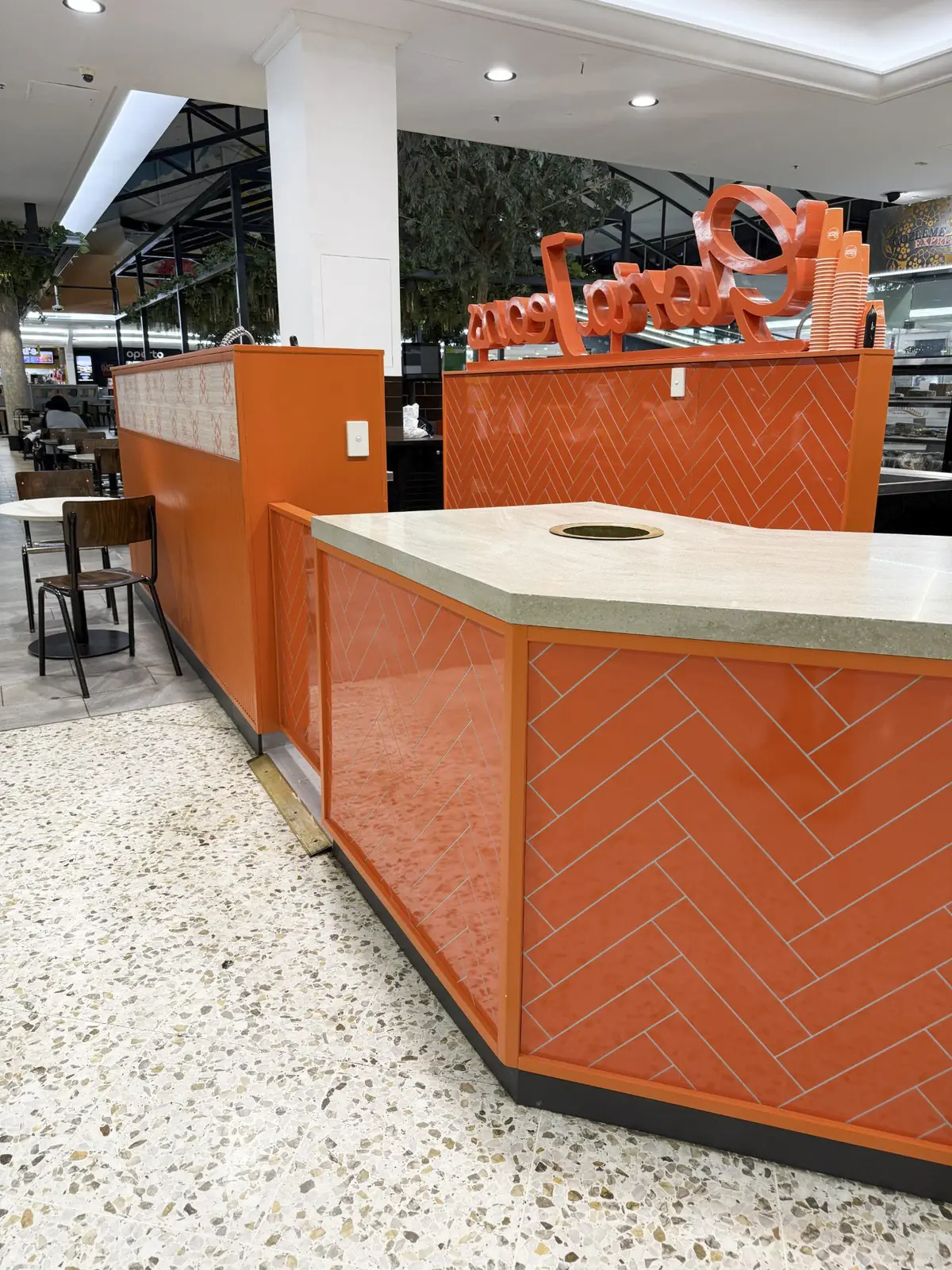
Close-up of glossy orange herringbone tile cladding on a kiosk counter, one of the finishes documented for fire and food compliance

Layer Five

The Occupation Certificate is the door.

An Occupation Certificate is needed before you occupy, use or change the use of a building, or the part of it that was built or altered (NSW Planning Portal). The application is lodged on the Portal with the approval, the fire safety certificate and the relevant compliance certificates (EP&A Regulation 2021).

There are three forms. A final certificate covers a whole building. An interim certificate covers a completed part. When a single tenancy inside an existing building is fitted out, the certifier issues a certificate for occupation of part of an existing building, which is the one retail operators actually need.

On new builds, the same certificate also depends on the Construction Certificate and every mandatory inspection having been done in order. That is why the pathway has to be run from the first day, not repaired at the end.

The Landlord Layer

An Occupation Certificate doesn't guarantee you can trade.

If the premises are in a shopping centre or managed building, the landlord has its own gate. In our experience that gate includes:

Consent and authorisation

Owner's consent to lodge the approval, and a nominated principal contractor.

Pre-start process

Pre-start meeting, safety plan, insurance and method statements before access.

Electrical hazard control

A recorded electrical hazard scan before surfaces are disturbed, and electrical clearance before work and before trade.

Landlord-controlled works

Certain services and hoarding are done by the landlord's own contractors.

Structural and compliance pack

Engineer's installation certification, fire, electrical, plumbing and waterproofing certificates, and a copy of the Occupation Certificate.

Pre-opening inspection

Documents due the day before trade, then an inspection, then a completion statement after defects are closed.

Who Does What

Everyone holds a piece. Someone has to hold the whole.

Owner or applicant

Holds the approval, appoints the Principal Certifier, signs the Occupation Certificate application.

Landlord

Gives consent, sets pre-trade requirements, controls base-building services.

Principal Certifier

Inspects at critical stages and decides whether to issue the Occupation Certificate.

Structural engineer

Certifies design and inspects installation before it is concealed.

Licensed trades

Electricians, plumbers, waterproofers and fire services each certify their own work.

Principal contractor (Brobuilt)

Controls the site, schedules every inspection and certificate, chases every document and delivers one complete pack.

Where Fitouts Stall

What actually holds up an opening, and what we do about it.

Engineering scope is discovered late, after the landlord's design review.

We identify every element that needs a structural certificate at quote stage, including cladding and signage fixings, and book the engineer before the build.

A finish arrives with a data sheet but no fire test report.

We collect test reports for every lining before ordering. If a product can't be evidenced, we change the product, not the programme.

A third-party certificate names the wrong site or superseded legislation.

Every certificate is checked for site, lot, date and legislation before it reaches the certifier. We have caught and had them reissued.

The build finishes on a Friday and the certifier can't attend until Monday.

Inspections happen on business days. We programme the finish to land on a weekday with a day of float.

The landlord wants the pack by midday the day before trade.

We work backwards from that deadline, not forwards from practical completion.

How We Run It

The Brobuilt certification schedule.

01

Pathway check

Exempt, CDC or consent. Confirmed with a certifier before we price.

02

Certificate map

Every certificate, who issues it and the date it is needed, listed in the quote.

03

Landlord and consents

Owner consent, contractor authorisation and pre-start requirements lodged early.

04

Approval and certifier

Application prepared, Principal Certifier appointed, commencement notice lodged.

05

Engineer on the calendar

Site inspections booked at fixed points, before anything is concealed.

06

Trades certify as they finish

Electrical, plumbing, waterproofing and fire certificates collected on the day of completion.

07

Finishes evidenced

Fire test reports on file before the product is installed.

08

Final inspection

Booked for a weekday, with the pack already assembled and checked.

09

Occupation Certificate

Application lodged and tracked until issued, then forwarded to the landlord.

10

Close-out

Defects register, practical completion and a complete handover folder.

Proof On A Live Project

Gloria Jean's Mt Druitt: certificate to Occupation Certificate in under four weeks.

A food court kiosk refurbishment inside a major shopping centre: a Complying Development Certificate, a certifier, an engineer, food compliance and a landlord pre-trade gate, all on a seven-day on-site programme.

  1. Late August

    Pathway set

    Certifier engaged. Exempt development ruled out, so a CDC was lodged.

  2. Mid September

    Pre-approval inspection

    Certifier attends site before the approval is issued.

  3. 21 September

    CDC issued

    Conditions and the list of certificates required before occupation confirmed.

  4. 5 to 11 October

    Seven-day build

    Engineer inspections at set points. Trades certify as they complete.

  5. 13 October

    Final inspection

    Satisfactory, with a short list of closing items cleared before the certificate issued.

  6. 14 October

    Occupation Certificate

    Issued for occupation of part of an existing building.

See the Case Study Head Contractor Service

Common Questions

Approvals and certification FAQs

Do I need a Construction Certificate for a fitout?

Not if the work is approved as complying development. A Complying Development Certificate combines the planning and construction approval, so no separate Construction Certificate is issued. A Construction Certificate follows development consent from council, which is the usual path for new builds and larger works. Your certifier confirms which applies. NSW Government sets out the difference.

What is an Occupation Certificate and when do I need one?

An Occupation Certificate is the certifier's written confirmation that the completed work is suitable to occupy and use. It is needed before you occupy, use or change the use of a building or the part of it that was built or altered (NSW Planning Portal). In practice it is the document that lets you open the doors.

Who appoints the Principal Certifier, the owner or the builder?

The owner, or the person with the benefit of the approval, not the builder. The appointment is made on the NSW Planning Portal at least two days before work starts. The builder's job is to give the certifier what they need and to make every inspection happen on time (NSW Planning Portal).

What is the difference between an interim and a final Occupation Certificate?

A final certificate covers the whole building. An interim or part certificate covers only the part that is complete and safe to occupy, which is how a single tenancy inside an existing building is usually signed off. Fire safety certificates follow the same split: final for the completed building, interim for the part being occupied (Fire and Rescue NSW).

What is a structural design and installation certificate?

Two engineer documents, not one. The design certificate confirms the engineered element is designed to be structurally sound. The installation certificate, issued after the engineer inspects the work on site before it is concealed, confirms it was fixed as designed. Landlords and certifiers typically want both, and they want them to cover every new fixing, not only the headline element.

What fire safety paperwork does a fitout need?

A fire safety schedule listing the essential measures for the work, then a fire safety certificate issued by a properly qualified person who has inspected and tested each measure. The assessments must be done within the three months before the certificate is issued (EP&A Regulation 2021). Fire extinguishers, blankets and tested finishes sit underneath that.

What do finishes have to prove for fire?

Wall, ceiling and floor linings must meet the fire-hazard limits in the National Construction Code. Certifiers ask for test reports for the product as installed, not a marketing data sheet. We collect them before ordering, because a finish with no report is a finish that may have to come out.

Why do missed inspections stop an Occupation Certificate?

The mandatory inspections are a condition of the approval. If one is missed, the certifier must prepare a report and decide whether the work can continue, and the Occupation Certificate cannot be issued until the mandatory inspections are done (City of Sydney). We book every inspection into the programme before the first trade arrives.

Is a food premises fitout different?

Yes. Food and drink premises approved as complying development must follow Australian Standard AS 4674-2004 for design, construction and fit-out, and the business must notify before it trades. A design compliance certificate and a construction compliance certificate both sit in the pack, and the design certificate has to name the right site and the right legislation.

Does a shopping centre landlord have extra requirements?

Almost always. A landlord can hold its own consent, engineering, electrical, waterproofing and pre-trade document requirements on top of the statutory ones, and it can refuse trade until every item is in. Those documents are typically due the day before trade, so we treat that as the real deadline.

See all FAQs

Want the approvals owned by the people building it?

Send your plans or call 0478 007 472. We will confirm the pathway and list every certificate before you commit.

Call Now Get a Quote